


 Juvenile criminal charges carry life-altering consequences that can potentially affect educational opportunities, employment prospects, and future legal standing for years to come. When your child faces accusations of criminal conduct, you need experienced juvenile defense attorneys who understand Michigan’s juvenile justice system and fight aggressively to protect your child’s future.
Every moment counts in a juvenile case, and early legal intervention can make a profound difference in your child’s future. Call Federal Criminal Attorneys of Michigan at (800) 529-7747 to schedule a consultation so we can evaluate your case, explain available options, and develop strategic defenses that protect your child’s rights.
Juvenile Offenses in Michigan
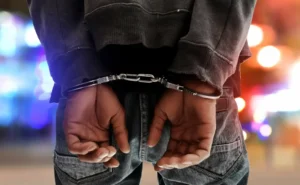
Michigan law under MCL 712A.2 defines juvenile delinquency as violations of criminal law committed by individuals under 17. Juvenile proceedings differ fundamentally from adult criminal cases in terminology, procedures, and available outcomes, with courts focusing on rehabilitation potential rather than punishment severity:
- Treatment and education focus.
- Family involvement in proceedings.
- Age-appropriate interventions.
- Accountability for harmful conduct.
At Federal Criminal Attorneys of Michigan, we help families understand these distinctions and navigate the system effectively while protecting children’s long-term interests and preserving opportunities for productive futures despite youthful mistakes.
Common Juvenile Cases in Michigan
Juvenile courts address a broad spectrum of offenses, from minor status violations to serious violent crimes that endanger public safety. We frequently represent young clients facing allegations across this full range of criminal conduct:
- Status Offenses: Violations such as truancy or curfew violations that apply only to minors. These acts wouldn’t constitute crimes if committed by adults.
- Violent Crimes: Assault, robbery, or weapons possession that endangers others. Courts treat these offenses seriously despite defendants’ young ages.
- Sex Crimes: Sexual misconduct, including criminal sexual conduct charges, can result in severe consequences, including long-term registration and reporting obligations.
- Property Crimes: Offenses such as theft, vandalism, or breaking and entering involving others’ property often result in court-ordered restitution to reimburse victims for their losses.
- Drug Offenses: Crimes involving the possession, distribution, or production of controlled substances, with penalties that depend on the type and amount of drugs involved.
Early legal intervention often prevents formal charges or secures favorable dispositions, such as consent decrees, that avoid adjudication. Our defense attorneys work with prosecutors and courts to resolve cases through diversion programs whenever possible, protecting children from permanent records.
Types of Juvenile Cases
 Michigan classifies juvenile offenses based on severity, with different procedural requirements and potential outcomes for each category. Understanding these classifications helps families recognize what their children face and what defenses might succeed.
Civil Infractions
Civil infractions represent the least serious violations, typically involving minor traffic offenses or local ordinance violations that result in fines rather than detention. Courts handle these matters through simplified procedures without formal delinquency adjudications.
Misdemeanors
Misdemeanor offenses carry penalties up to one year of detention and include crimes like retail fraud, simple assault, or possession of marijuana. Courts often resolve misdemeanor cases through probation, community service, or diversion programs emphasizing rehabilitation.
Felonies
Felony offenses involve serious crimes like armed robbery, criminal sexual conduct, or drug trafficking that can result in placement in juvenile facilities until age 21. Some felonies qualify for automatic waiver to adult court under MCL 712A.2d, which can expose juveniles to adult sentencing consequences.
Penalties and Outcomes in a Juvenile Crimes Case
Juvenile courts possess broad discretion in fashioning dispositions addressing individual circumstances rather than imposing standardized sentences like adult criminal courts. Potential penalties and outcomes include:
- Probation: Juveniles remain at home under court supervision while meeting conditions like school attendance, curfews, and counseling. Violations can trigger detention or more restrictive placements.
- Diversion Programs: These programs redirect juveniles from formal proceedings into community-based interventions, such as restorative justice programs, anger management classes, and teen court peer juries. Successful completion often results in dismissal without adjudication.
- Detention: Secure facilities house juveniles who pose safety risks or who fail less restrictive dispositions. Courts use detention sparingly, preferring community alternatives when possible.
- Community Service: Juveniles complete unpaid work benefiting harmed communities. Hours range from 20 to 240 based on offense severity.
- Treatment Programs: Courts order treatment for mental health, substance abuse, or behavioral problems contributing to delinquency. Available programs include substance abuse, mental health counseling, behavioral modification therapy, family counseling, and educational interventions.
Finally, juveniles may be required to pay restitution that compensates victims for financial losses, such as property damage or stolen property. Courts establish payment schedules accounting for limited earning capacity.
The Juvenile Court Process
 Michigan’s juvenile court system follows structured procedures designed to safeguard the rights of young people while addressing alleged delinquent behavior. Familiarity with each stage enables families to respond effectively and support their child throughout the process:
- Filing Petition: Prosecutors file formal petitions alleging delinquency when they believe sufficient evidence supports the charges and that formal intervention serves the juvenile’s and the community’s interests.
- Preliminary Hearing: The court determines whether there is probable cause to believe the juvenile committed the alleged offenses and whether continued detention is necessary pending adjudication.
- Adjudication Hearing: Trials in which prosecutors present evidence to prove allegations beyond a reasonable doubt, with juveniles entitled to confront witnesses and present defenses.
- Disposition Hearing: The sentencing phase in which courts determine appropriate interventions after considering social histories, psychological evaluations, and victim impact statements.
- Post-Disposition: Ongoing supervision and modification of court orders based on the juvenile’s progress or failures in complying with disposition requirements.
At Federal Criminal Attorneys of Michigan, we guide families through every stage, protecting constitutional rights while advocating for dispositions that emphasize rehabilitation over punishment.
Why Trust Federal Criminal Attorneys of Michigan to Represent You?
 Our firm brings over 35 years of dedicated experience defending juveniles throughout Michigan, combining award-winning legal advocacy with a deep commitment to protecting young people from penalties that can derail promising futures. Our Detroit juvenile defense lawyers have successfully defended hundreds of clients facing juvenile charges ranging from minor infractions to serious felonies, achieving favorable outcomes that preserve educational opportunities and prevent permanent criminal records.
Contact a Detroit Juvenile Defense Attorney Today
Juvenile charges demand immediate legal intervention. Protecting your child’s future from permanent damage resulting from youthful mistakes or false accusations is imperative. Delays in securing representation allow prosecutors to build stronger cases while limiting available defense options.
Call (800) 529-7747 to schedule a consultation with Federal Criminal Attorneys of Michigan so we can develop a defense strategy that protects your child’s rights and future opportunities.

Defendant Found Not Guilty
Defendant Found Not Guilty
Defendant Found Not Guilty
Defendant charged with possessing 100 kilograms of cocaine.
DEFENDANT FOUND: NOT GUILTY
Defendant Found Not Guilty
Defendant Found Not Guilty
© 2026 Federal Criminal Attorneys of Michigan . All Rights Reserved.
